









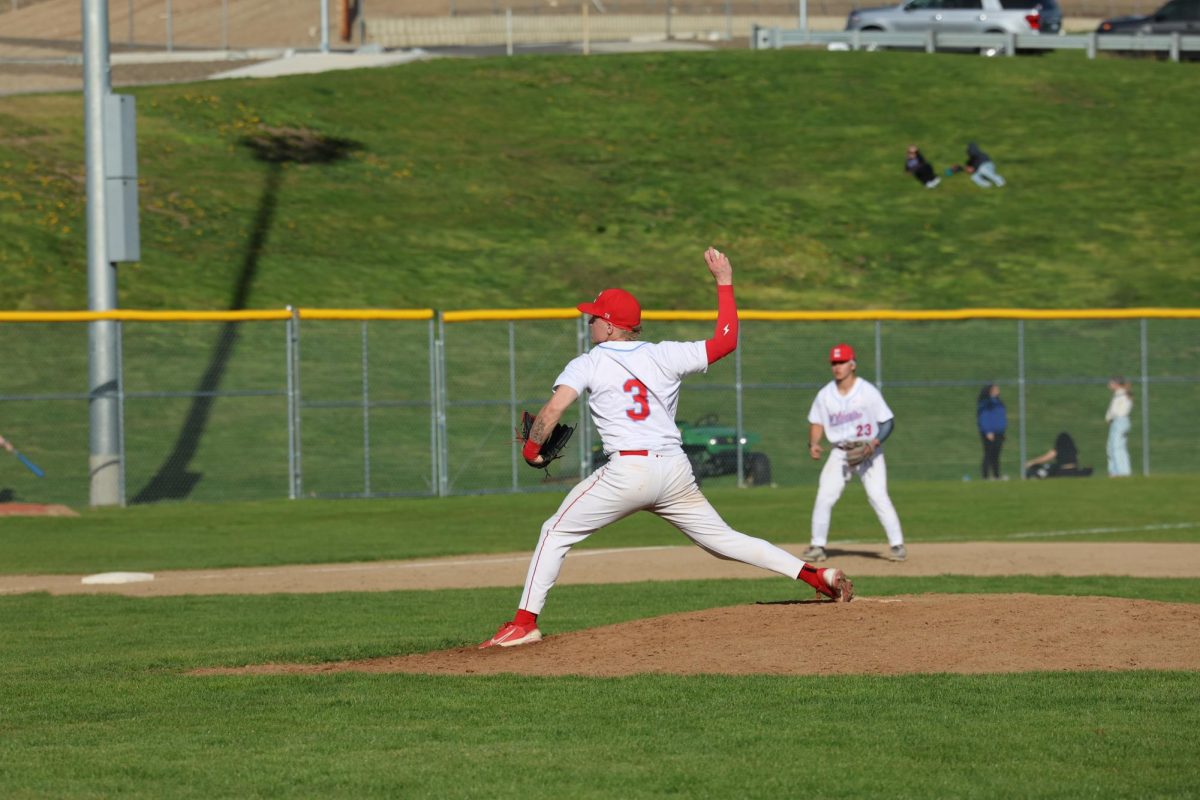










There are multiple athletes around the world who have had sports injuries and can no longer play sports. I myself had a sports injury; I tore my meniscus, and I also had a complete ACL tear. I got injured playing in a volleyball tournament with NCW 3 years ago. I had simply thought it was a sprain, and that is what I was told in the ER. Because of this, I continued to play volleyball in my free time without realizing I needed surgery. Doing this then made my recovery longer once I got my surgery. I struggled a lot after my injury because I had played sports my whole life. I played soccer with United, and I played volleyball. I went to physical therapy, and when I was done, they told me I could try sports again. I know there are multiple athletes out there who get sports injuries, and they struggle with mental health as they go through many different emotions of acceptance.
Sport injuries are not just a physical thing; they are also a mental thing. Many athletes who begin to struggle with depression, anxiety, etc., are less likely to fully recover. The hard thing about recovery is wondering if you will recover well enough to be able to play sports again. Athletes are used to team spirit and support. However, a sports injury recovery is a solo recovery that takes a toll on you. According to Boston Children’s Hospital, A study showed that ACL reconstruction patients, those with higher levels of fear, were 13 times more likely to suffer a second ACL tear within two years of returning to sports than those who were less worried.
Recovering from a sports injury can be hard, and it can take a toll on you. The top 5 sports injuries include tennis elbow, fractures, strains, sprains, and knee injuries. Many athletes get injuries and think they can simply walk it off; however, it is not that simple. Many athletes have continued to compete or participate in practices while being injured, causing their injury to get worse. Doing this makes their recovery longer. According to the National Library of Science, the physical performance and mental health of elite athletes are closely linked. It was pointed out after the 2012 Summer Olympics, when 50 Canadian swimmers who had qualified were studied. Before competing, 68% were seen to have had a major depression episode at least once in 36 months. The percentage of this was for males; however, for female athletes, it was significantly higher, ranking in the top 25%.
In my opinion, mental health during a sports injury or injury recovery needs more attention. For athletes whose whole life revolved around sports, it would be more difficult to get through the recovery. Mental health after a sports injury is often ignored or not highlighted. I think it’s important to make this known and help recovering athletes get through their recoveries or mental health issues.