


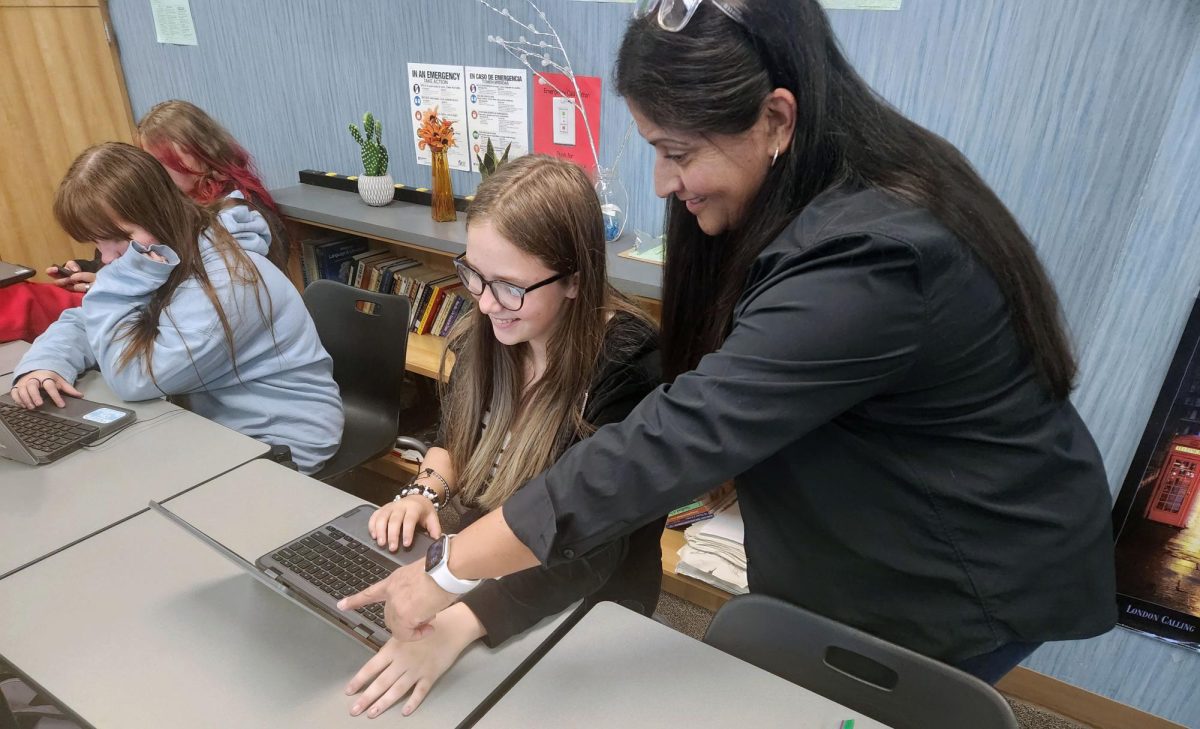












This story is about a disorder that can be very common for people to have, and is known as ADD/ADHD. ADD stands for attention deficit disorder. The symptoms include trouble focusing, forgetfulness, disorganization, daydreaming, and procrastination. ADHD is very similar, but the only difference is that ADHD covers all forms, including hyperactive and impulsive behaviors. I asked around school to see if people had ADD/ADHD, and I got to interview 3 students and 1 staff member who all had ADHD. The first student that I interviewed was a junior, and they said one of their symptoms that first caught their eye before being diagnosed was “ Having trouble focusing.” This person first got diagnosed at the age of 8 because they were really struggling in school, focusing, and having trouble understanding things. They said that this doesn’t affect them much daily, but it can be very hard when they’re at school. The second person I interviewed was a senior, and their symptom that caught their eye was “taking a long time doing things.” They had been diagnosed at the age of 13, and it was a big struggle for them to have ADHD. It took them a year to accept this disorder and find ways and strategies to work around it. The third person I interviewed was a staff member, and the symptom that caught their eye was “having time blindness.” She got diagnosed at the age of 15 and would really struggle with thinking she would have enough time to do things, but always ended up late and rushing. When this person got diagnosed, it all made sense because that was one symptom of ADHD, and now they give themselves more time than they actually think, so that they won’t be rushing and late. The last person I interviewed was a senior, and the symptom that caught their eye was “a very bad procrastinator and can’t be still.” They said that this was a very bad struggle for them in school, and daily, this person played football to help with them not being able to stay still, and got diagnosed at 10. After hearing all these stories from different types of people, now I’m guessing that I might have this disorder myself. As we can see, having ADD/ADHD can be a struggle in some people’s lives, but not for others. There are different kinds of ways and strategies to cope with having this disorder, like fidgeting, outdoor activities, breathing exercises, or even using headphones to listen to music/podcasts. But for teens, ADHD often becomes more visible and diagnosed in school. Due to the long periods, staying still for a long amount of time, and completing assignments on time can be difficult for a person with an ADHD brain. But there are ways to help with this by talking to a teacher one-on-one and having them break down assignments, allowing movement breaks, and providing already written notes or instructions. Having these few things done by a teacher can help a student with this difficulty. It will make the student cope more in school, and it will help the teacher know what she has to do for a student to help them succeed. But ADHD cannot only affect a person in school but also in daily life, like influencing friendships, emotions, and daily routines. Some teens struggle a lot with forgetting plans or important dates, interrupting conversations without meaning to, feeling overwhelmed by simple tasks, and experiencing strong emotions quickly. All these challenges can lead to misunderstandings. A friend, family member, or lover might think a person with ADHD doesn’t care when really the just simply forgotten or got distracted. There is also an emotional side that people might not often notice, like when they are getting told repeatedly to “try harder” or even “pay attention.” This can really affect a peron that has ADHD because only if people knew that they are really trying their best. But also having this disorder can have a bright side to it, like having highly imaginative thoughts, quick thinkers and problem solvers, energetic as well as enthusiastic, and able to see connections others might miss. There’s no cure for having this disorder, but finding ways to manage it and cope with it daily can help a lot. As we can see, having this disorder isn’t a horrible thing to have; yes, it can get difficult, but you can find your way to work around it. There is no shame in having ADD/ADHD; a lot more people than you think struggle with the same thing.
The Life of ADD/ADHD
April 15, 2026
More to Discover









About the Contributor

Arlett Sanchez is a sophomore at Eastmont High School, but is also called or known by arletty-spehhgetii-yeti. She’s also a varsity Eastmont cheerleader and is the funniest person ever. She loves to take naps and likes to watch shows and do makeup. Her favorite thing to do is laugh. She has a dog named Poppy who has fluffy hair and has curly hair. Arlett likes to go on walks and hikes. Her favorite season is summer because she likes to be out in the sun and tan. Arletty’s favorite color is a light yellow, and her favorite food is pupusas. Something she would like to do in the future is something in the beauty industry and have her own place. Arletty has 3 older sisters and 1 older brother, and Arletty’s favorite subject is lunch.